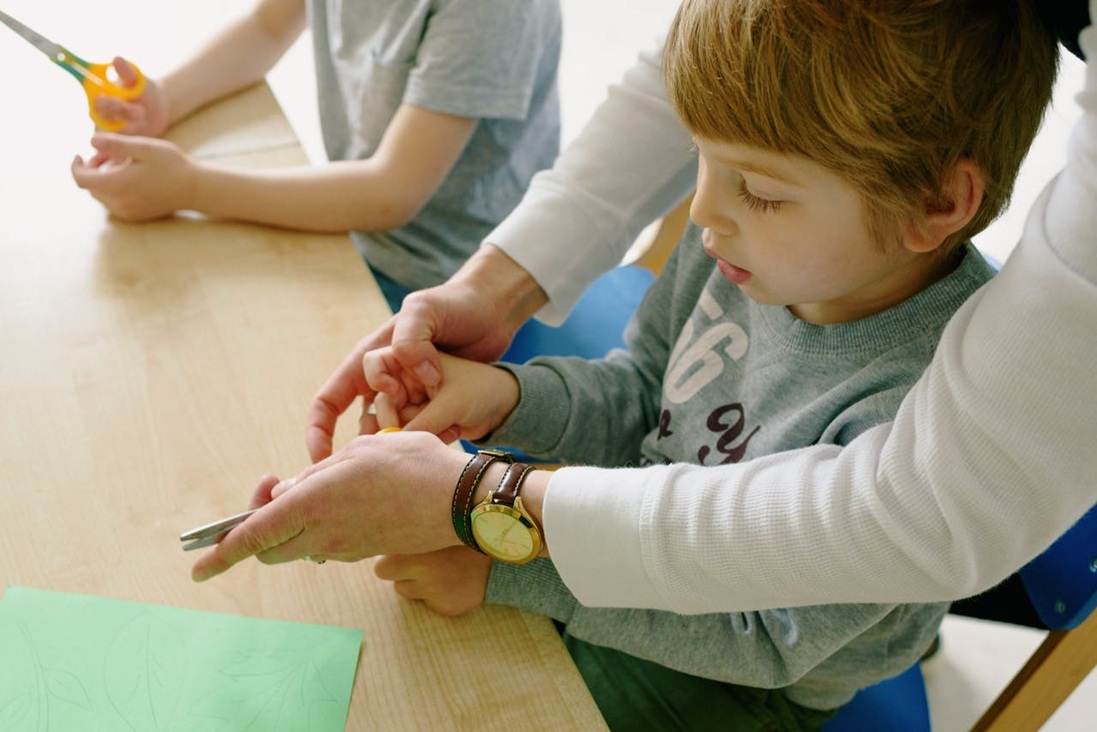
In modern life, many people rely heavily on technology and convenience services for everyday tasks. While digital tools are useful, practical hands-on skills still provide value in ways that are often overlooked.
Simple manual skills help people become more independent. Knowing how to fix small problems, organize materials, or handle basic repairs can reduce stress and save time. These abilities may seem minor, but they become useful in real-world situations where quick solutions are needed.
Hands-on learning also improves focus and patience. Unlike fast digital activities, manual tasks require attention to detail and steady concentration. Many people find that working with their hands creates a calmer and more controlled mindset.
Another advantage is long-term usefulness. Practical skills rarely become completely outdated. Basic techniques can continue to help in everyday life regardless of changes in technology or trends.
Learning these skills does not require professional training. Even small amounts of experience can build confidence and make ordinary tasks easier to manage.
In the end, practical hands-on skills are not just about completing tasks. They also encourage self-reliance, problem-solving, and a better understanding of how everyday things work.